


Quick Answer
Landscape design is the art and science of planning, organising, and improving outdoor environments to make them more practical, beautiful, and sustainable. It uses plants, hardscape, water features, and lighting to transform any yard into a functional living place. Understanding landscape design, whether you are a homeowner or a design student, helps you build outdoor spaces tailored to your lifestyle.
Quick Overview Table
| Aspect | Key Takeaway |
| What Is It? | Art & science of planning outdoor spaces |
| Core Principles | Unity, balance, proportion, rhythm, and focalization |
| Main Types | Formal, informal, native, xeriscaping, modern |
| Key Benefits | Boosts property value, improves well-being |
| Planning Process | Site analysis → concept → planting → execution |
| Common Tools | AutoCAD, SketchUp, iScape, PRO Landscape |
Table of Contents
- Introduction
- What Is Landscape Design?
- Importance of Landscape Design
- Benefits of Landscape Design for Homes & Outdoor Spaces
- Principles of Landscape Design
- Elements of Landscape Design
- Types of Landscape Design
- Garden Landscape Design Ideas for Beginners
- Residential & Home Landscape Design Tips
- Landscape Architecture vs Landscape Design
- Step-by-Step Landscape Design Process
- Common Beginner Mistakes to Avoid
- Tools & Software Used in Landscape Design
- Conclusion
- FAQs
Introduction
Have you ever looked at a beautifully designed garden and wondered how everything came together so smoothly? The answer is in landscape design. Landscape design influences how we interact with outside areas daily, from a modest backyard remodel to a full-scale residence renovation.
This guide is intended for beginners, with no prior experience required. By the conclusion, you will have grasped the fundamental concepts, planning methods, and practical ideas required to bring your outdoor vision to life.
What Is Landscape Design?
Landscape design is the intentional process of arranging and decorating outdoor spaces for both functional and aesthetic reasons. It combines creativity and technological expertise to transform gardens, yards, parks, and public places into integrated landscapes. A well-executed design considers the local temperature, soil type, geography, and the needs of the people using the space.
Importance of Landscape Design
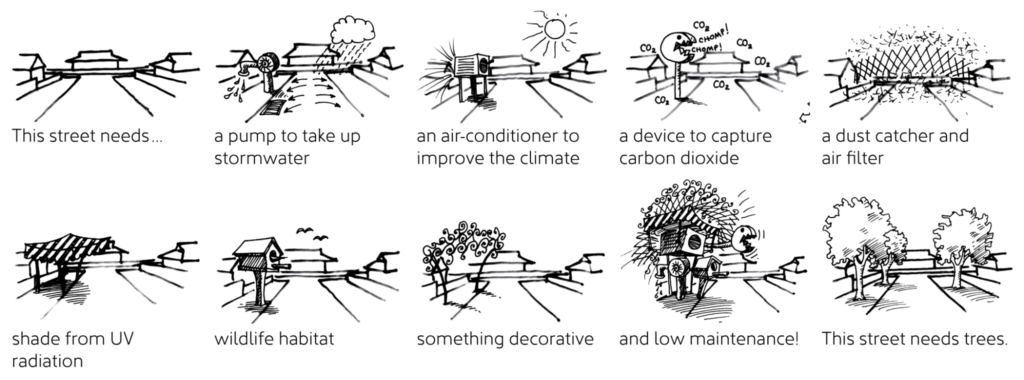
The significance of landscape design extends far beyond aesthetics. A well-designed outdoor space has a direct impact on a household’s quality of life, energy efficiency, and environmental health.
- According to the American Society of Landscape Architects, it can increase the value of a property by 15-20%
- Reduces heat absorption around buildings by strategically placing trees
- Promotes biodiversity by establishing habitats for birds and pollinators
- Provides relaxing, nature-rich environments that enhance mental well-being
Students interested in architecture or design should be aware that institutes such as the Best B.Arch Colleges in Tamil Nadu include landscape planning and environmental design courses in their architectural curriculum.
Benefits of Landscape Design for Homes & Outdoor Spaces
Landscape design provides numerous and substantial benefits to homeowners. Here’s a systematic overview.
| Benefit | Impact on Homeowners |
| Higher Resale Value | Well-designed yards attract more buyers |
| Energy Savings | Shade trees lower cooling costs by up to 30% |
| Stormwater Control | Plants reduce runoff and soil erosion |
| Privacy & Security | Hedges and fences enhance safety |
| Emotional Comfort | Green spaces reduce stress and anxiety |
| Environmental Health | Native plants improve local ecosystems |
Principles of Landscape Design and its Types
The principles of landscape design provide a foundation for creating balanced, visually appealing outdoor spaces. These principles ensure that all design decisions, from plant placement to walkway curvature, contribute to a cohesive whole.
- Unity
- Balance
- Proportion
- Rhythm
- Focalization
- Transition
Elements of Landscape Design
Understanding the elements of landscape design allows beginners to make informed decisions throughout the planning stage. These features serve as the foundation for every outdoor space:
- Line
- Form
- Texture
- Colour
- Scale
Types of Landscape Design
Choosing the right style depends on your home’s architecture, climate, and personal preferences. Here are the primary types of landscape design to consider:
| Formal Landscape | Symmetrical, geometric layouts with trimmed hedges |
| Informal/Naturalistic | Flowing lines, wild plantings, organic feel |
| Native/Ecological | Local plants that thrive with minimal maintenance |
| Xeriscaping | Drought-tolerant design focused on water conservation |
| Modern Landscape Design | Clean lines, minimalism, contemporary materials |
| Cottage Garden | Dense plantings, colourful blooms, charming pathways |
Modern Landscape Design Trends
Today’s residential landscape design is influenced by sustainability, technology, and lifestyle preferences. Current trends include:
- Edible Landscapes
- Smart Irrigation
- Biophilic Design
- Pollinator Gardens
- Vertical Gardens
Garden Landscape Design Ideas for Beginners
Starting with garden landscape design doesn’t have to be intimidating. Here are actionable ideas designed for first-timers:
- Start with a focal point
- Use the rule of three
- Layer your plantings
- Choose low-maintenance natives
- Add a simple pathway
Residential & Home Landscape Design Tips
Home landscape design should improve your daily living experience while also increasing curb appeal. Practical recommendations for home settings include:
- Examine light and shadow patterns before purchasing plants
- Plan for all four seasons, including evergreens and winter interest plants
- Establish zones for rest, recreation, and gardening
- Use mulch extensively to keep moisture and inhibit weeds
- Integrate outdoor lights for safety and ambience
Source: Paul Downton
Landscape Architecture vs Landscape Design
Many beginners misunderstand these two terms. Here’s an obvious comparison.
| Criteria | Landscape Architecture | Landscape Design |
| Scope | Large-scale civic and public projects | Residential and private gardens |
| Qualification | Requires a licensed degree | A certification or a diploma is often sufficient |
| Focus | Engineering, ecology, and planning | Aesthetics, plant selection, and layout |
Step-by-Step Landscape Design Process
The landscape design process follows a logical sequence, ensuring that every decision is intentional and well-informed.
- Step 1 – Site Analysis
- Step 2 – Needs Assessment
- Step 3 – Concept Design
- Step 4 – Planting Plan
- Step 5 – Hardscape Integration
- Step 6 – Implementation
- Step 7 – Maintenance Plan
Tools & Software Used in Landscape Design
Technology has changed the way professionals and beginners approach outdoor planning. Commonly used tools include:
- AutoCAD & AutoCAD LT
- SketchUp
- iScape
- PRO Landscape
- Vectorworks Landmark
Conclusion
Landscape design is more than aesthetics; it is a systematic discipline that combines creativity, ecology, and spatial planning to transform outdoor spaces into functional retreats. Every stage is important in landscape design, from understanding the concepts and selecting appropriate plants to following a clear method. A well-designed outdoor space does more than just look wonderful; it adds long-term value to your home and improves your quality of life.
Turn your creativity into a professional career in landscape design. Learn the principles of planning, plant selection, outdoor aesthetics, and sustainable space design with industry-focused training.
Admissions Open – Apply Now and Build Beautiful Outdoor Spaces for the Future.
FAQs
1. How to start landscape design for beginners?
Begin by organising your site, understanding sunlight and soil, and selecting appropriate plants and materials.
2. Why is landscape design important?
Landscape design enhances outdoor attractiveness, boosts home value, and creates functional, relaxing areas.
3. How long does landscape design take?
Landscape design can take anything from a few days to several weeks, depending on the project’s scale and complexity.
4. What software is used for landscape design?
AutoCAD, SketchUp, Realtime Landscaping, and Lumion are among the most popular landscape design software.
6. What is the difference between landscape architecture and landscape design?
Landscape architecture focuses on large-scale planning, whereas landscape design primarily focuses on residential or small outdoor environments.
7. What is landscape design used for?
Landscape design is used to create appealing, useful, and long-lasting outside landscapes for residential and commercial properties.