

Posts By :

karpagam-architecture

UCEED Syllabus: Exam Pattern, Topics, Sections & Preparation Guide

900 500 karpagam-architecture

Quick Answer Part A of the UCEED syllabus includes numerical-answer, multiple-select, and multiple-choice questions on visualisation, design thinking, and observation, while Part B covers drawing and design aptitude. The exam carries a total of 300 marks and is a 3-hour test conducted by IIT Bombay for B.Des admissions. Quick Overview Table AspectDetailsConducting BodyIIT BombayExam Duration3…

read more

Types of Windows in Buildings: Designs, Materials & Uses

900 500 karpagam-architecture

Quick Answer Buildings employ a variety of window designs, including casement, fixed, louvre, awning, single-hung, hopper, and skylight windows, each tailored to specific ventilation, lighting, and design requirements. Casement windows provide excellent airflow and clear views, fixed windows maximise lighting without opening, and louvre or awning windows handle ventilation in rainy regions. The best option…

read more

Types of Foundation in Building Construction: Uses, Features & Examples

900 500 karpagam-architecture

Quick Answer Building foundations safely transfer structural loads to the earth and are classified as shallow or deep systems. Shallow alternatives include isolated, combined, strip, and raft systems. In contrast, deep foundations, such as piling, are suitable for weak soils or massive structures that require support from lower, stronger soil layers. Quick Overview Table AspectDetailsTwo…

read more

Two-Point Perspective Drawing: Meaning, Steps & Architecture Examples

900 500 karpagam-architecture

Quick Answer This drawing technique employs two vanishing points on a common horizon line to represent an object’s two viewable sides simultaneously, resulting in a realistic feeling of depth and angle. In architecture and design, it is commonly used to create exteriors, interior rooms, and rapid concept sketches. The basic procedure involves drawing a horizon…

read more

NIFT Syllabus: GAT, CAT, Exam Pattern & Topics

900 500 karpagam-architecture

Quick Answer For B.Des, the NIFT syllabus mainly covers GAT and CAT. GAT tests English, maths, reasoning, general knowledge and current affairs. CAT is centred on drawing, observation and creative thinking. The number of questions, test format and later selection stages can differ across NIFT programmes. Quick Overview ThingWhy it mattersGATCovers aptitude and general awarenessCATTests…

read more

Dravidian Architecture: Features, Temples and Examples

900 500 karpagam-architecture

Quick Answer Dravidian architecture is a South Indian temple tradition known for stepped pyramid-shaped vimanas, large entrance gopurams, enclosed temple compounds, pillared halls and detailed stonework. The style developed over several periods, with the Pallavas and Cholas playing an important role in its growth. Famous examples include Brihadisvara, Meenakshi Amman and the Shore Temple. Quick…

read more

Built Up Area Meaning: Calculation & Area Differences

900 500 karpagam-architecture

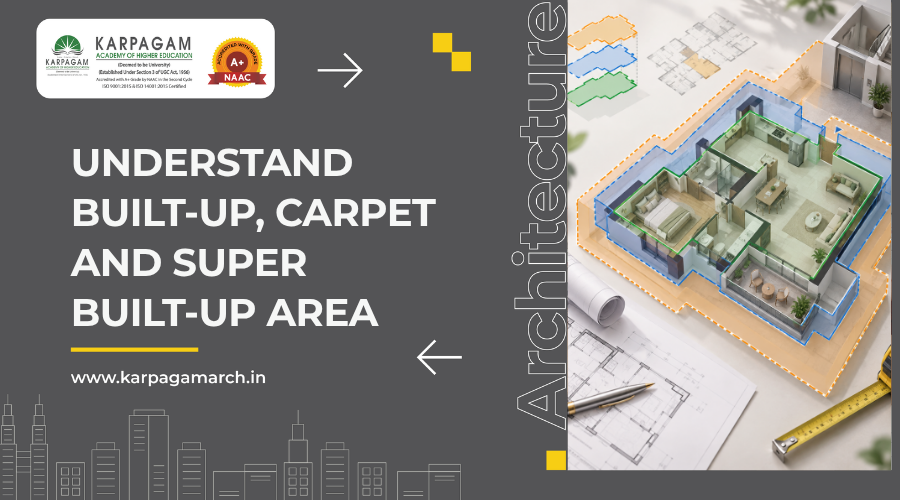
Quick Answer Built up area meaning refers to the total constructed space of a property, including the usable floor area, wall thickness and certain attached spaces such as balconies. It is larger than the carpet area but usually smaller than the super built-up area. Knowing these measurements helps homebuyers compare properties properly instead of judging…

read more
Vesara Architecture

Vesara Architecture Style: Features and Temple Examples

900 500 karpagam-architecture

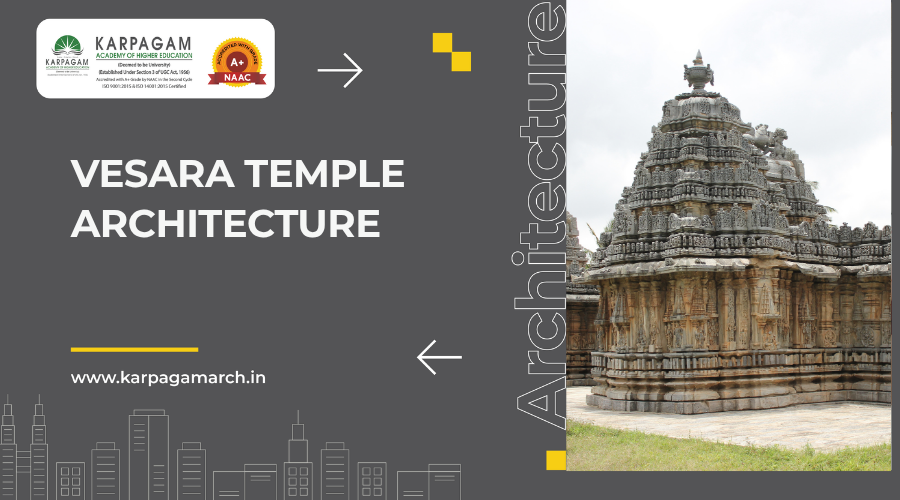
Quick Answer Vesara architecture is a hybrid Indian temple style that blends Nagara curves with Dravidian tiers, developed in Karnataka’s Deccan region by the Chalukyas, Rashtrakutas, and Hoysalas. It is well known for its star-shaped designs, shorter pyramidal towers, and elaborate carvings, which can be found in Aihole, Pattadakal, Ellora, Belur, Halebidu, and Somnathpura, making…

read more
types of regional planning

Types of Regional Planning: Meaning, Objectives & Examples

900 500 karpagam-architecture

Regional planning helps governments and planners manage growth across large geographic areas by coordinating land use, infrastructure, economic activities, and environmental protection. Understanding the types of regional planning is essential for architecture students, geography learners, and competitive exam aspirants because it explains how balanced development is achieved across cities, towns, and rural areas. Quick Overview…

read more
NID vs NIFT design entrance exam comparison guide

NID vs NIFT: Which Design Entrance Exam Should You Choose?

900 500 karpagam-architecture

Quick Answer The NID vs NIFT choice comes down to focus. NID trains all-round product, communication, and industrial designers through the DAT exam, while NIFT specialises in fashion, textile, and apparel careers through CAT, GAT, and a Situation Test. Both lead to strong design careers, so let your area of interest decide, not just brand…

read more