


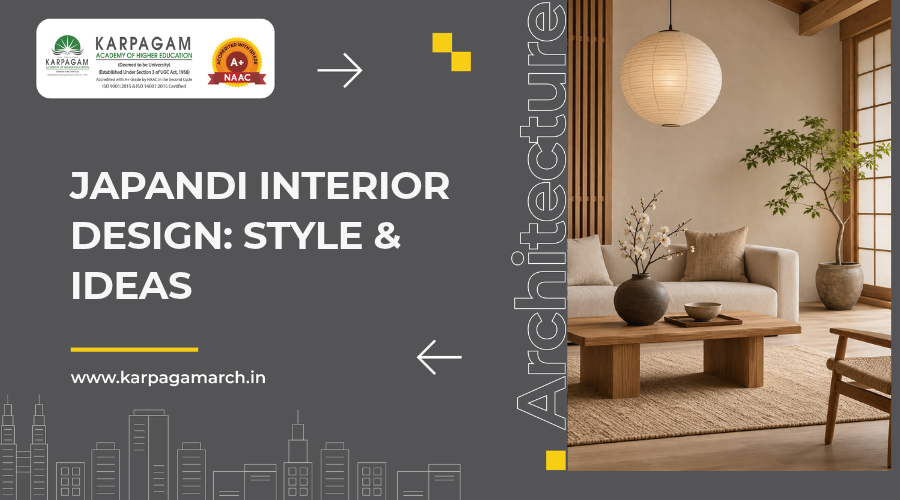
Quick Answer
Japandi interior design combines Japanese minimalism with Scandinavian warmth and practicality. It uses natural materials, muted colours, simple furniture and uncluttered layouts to create comfortable living spaces. Rather than filling rooms with decorations, this style focuses on useful objects, thoughtful arrangements and craftsmanship, making interiors feel calm without looking empty or unfinished.
Quick Overview Table
| Thing | Why it matters |
| Design influence | Combines Japanese and Scandinavian approaches |
| Colour palette | Creates a warm, understated atmosphere |
| Natural materials | Adds texture and visual interest |
| Furniture | Keeps rooms functional and uncluttered |
| Decor | Brings character through carefully chosen details |
| Room applications | Works across bedrooms, kitchens and living spaces |
Table of Contents
- What Is Japandi Interior Design?
- Where Does Japandi Style Come From?
- Key Features of Japandi Interior Design
- Japandi Colour Palette
- Japandi Furniture and Decor
- Japandi Interior Design Ideas Room by Room
- How to Create a Japandi Look in a Small Space
- Japandi vs Scandinavian vs Japanese Interior Design
- Common Japandi Design Mistakes to Avoid
- Is Japandi Interior Design Suitable for Indian Homes?
- Conclusion
- Frequently Asked Questions
What Is Japandi Interior Design?
Japandi is a design approach that brings together Japanese minimalism and Scandinavian functionality. The name comes from combining Japan and Scandi. Both styles value simplicity, useful furniture, natural finishes and rooms that are comfortable to spend time in.
A Japandi style interior does not depend on expensive furniture or elaborate decorations. It gives more attention to how each element works within a room. A wooden dining table, handmade ceramic vase or linen curtain can add enough character without making the space feel crowded.
The idea is to create a home that looks considered but still feels lived in.
Where Does Japandi Style Come From?
The Japanese influence comes from an appreciation of simplicity, balance and natural imperfections. This connects with wabi-sabi, a design philosophy that finds beauty in ageing surfaces, irregular shapes and handmade objects.
Scandinavian interiors bring another perspective through hygge, a Danish concept associated with comfort and everyday warmth. Soft textiles, natural light and practical arrangements are important parts of this approach.
Japanese style interior design focuses on simplicity, while Scandinavian homes bring in warmth and comfort. Japandi brings these two ideas together, using natural finishes and practical furniture without making the space feel too plain or crowded.
Key Features of Japandi Interior Design
A room does not need to follow strict rules to achieve this look. However, certain design choices help create the right balance.
- Minimalism without coldness: Keep unnecessary objects away while retaining comfortable furnishings.
- Simple furniture: Go for pieces with plain shapes and avoid heavy carvings or extra detailing.
- Natural light: Keep windows as open as possible so sunlight can brighten the room.
- Room arrangement: Place furniture in a way that leaves enough space to walk around without bumping into things.
- Different textures: Pair wooden surfaces with cane chairs, cotton fabrics or woven rugs.
- Light and dark shades: Try lighter walls with darker wooden furniture or a few deeper-coloured accents.
- Decorative pieces: Keep a few items you like instead of filling every shelf and table.
Natural Materials and Textures
Natural materials are a major part of this style. Wood, bamboo, cane, rattan, linen, cotton, wool, clay, stone and ceramic finishes can all contribute to the overall appearance.
Texture matters just as much as colour. For example, a room with beige walls, a plain sofa and a smooth floor may look unfinished. Adding a woven rug, linen curtains and a wooden side table creates more depth without introducing bright colours.
Clean Lines and Functional Furniture
Japandi furniture usually has simple silhouettes, practical proportions and visible natural finishes. Low-profile sofas, uncomplicated dining tables and streamlined storage units suit this approach.
The aim is not to remove every piece of furniture. It is to avoid keeping items that do not serve a purpose or contribute to the room.
Craftsmanship and Wabi-Sabi Details
Handmade pottery, slightly uneven ceramic finishes and furniture with visible wood grain bring personality to these spaces. Such details prevent the interior from looking like a showroom.
A handcrafted bowl or an aged wooden stool can add more character than several decorative accessories placed together.
Japandi Colour Palette
The Japandi colour palette generally uses warm whites, off-whites, beige, sand, taupe, greige and soft grey. Natural wood shades provide additional warmth.
Muted green, charcoal, brown, dusty blue and even subdued plum can be introduced as accents. These colours work well when used thoughtfully rather than across every surface.
How to Balance Light and Dark Tones
Lighter Scandinavian-inspired shades can make a room feel open, while deeper Japanese-inspired wood tones add visual weight.
For instance, warm white walls can work with a walnut dining table, charcoal pendant light and muted green upholstery. There is no fixed colour ratio to follow. The combination should feel comfortable in the available light.
Japandi Furniture and Decor
Furniture and accessories should support the way people use a room. A low wooden coffee table, a simple upholstered chair or a dining bench can provide function without taking over the space.
For Japandi decor, consider:
- A handmade clay vase on a shelf or coffee table.
- Woven baskets to keep magazines, throws or small household items.
- A few cotton cushions in colours that match the room.
- A floor lamp beside the sofa or a simple light above the dining table.
- Indoor plants placed near a window or in an empty corner.
- A couple of indoor plants to bring some greenery into the room.
- Artwork with subtle forms or earthy colours.
Choose pieces for their material, usefulness and finish. Buying several accessories simply to fill empty surfaces works against the design approach.
Japandi Interior Design Ideas Room by Room
The style can look different depending on the room. Its main principles remain useful, but furniture and material choices should suit everyday activities.
Japandi Living Room Ideas
A Japandi living room can start with a low sofa in beige or warm grey upholstery. Pair it with a timber coffee table and a textured rug.
Keep the centre of the room open. One or two plants, soft lighting and a small piece of artwork can complete the arrangement without taking attention away from the furniture.
Japandi Bedroom Ideas
A Japandi style bedroom benefits from a low bed frame, simple bedding and warm wooden finishes. Layer cotton or linen sheets with a light blanket to make the room comfortable.
Avoid filling bedside tables with accessories. A reading light, a book and a small ceramic object are usually enough. Soft ambient lighting can also make the bedroom more relaxing at night.
Japandi Kitchen and Dining Ideas
For a Japandi kitchen, consider plain cabinet fronts, natural wood finishes and stone-inspired countertops. These elements also reflect a modern japanese interior, where simple forms and practical layouts take priority. Concealed storage helps keep frequently used items organised.
A wooden dining table with comfortable chairs is often enough to set up the space. Add a few handmade ceramic plates or bowls for everyday use. You don’t need much decoration to make the dining area feel warm and inviting.
Japandi Bathroom Ideas
Use neutral wall finishes, simple fittings and a wooden or wood-inspired vanity to create a calm bathroom. Keep toiletries stored neatly rather than displaying several products.
Soft lighting and stone-inspired surfaces can add warmth. Choose materials suitable for wet areas instead of using untreated wood where moisture may cause damage.
How to Create a Japandi Look in a Small Space
Smaller homes can benefit from this approach because it gives importance to usable floor space and practical storage.
Start by removing furniture that blocks movement. A storage bed, nesting tables or a dining bench with built-in storage can make better use of limited space.
A small room doesn’t need much furniture. You can make better use of the space by:
- Keeping the same wall colours in connected rooms so the space feels less divided.
- Choosing sofas or cabinets that stand slightly off the floor.
- Avoiding heavy curtains that block sunlight.
- Adding storage inside beds, benches or wall cabinets to keep daily-use items tucked away.
- Use built-in cabinets or hidden storage to keep everyday items out of sight.
- Avoid creating too many decorative focal points.
The aim is to make the home easier to use, not simply to make it look empty.
Japandi vs Scandinavian vs Japanese Interior Design
These styles share certain design values, but their overall appearance is different.
| Design aspect | Japandi | Scandinavian | Japanese |
| Mood | Calm and warm | Cosy and bright | Quiet and restrained |
| Colours | Warm neutrals and earthy shades | Light neutrals and pastels | Earthy and natural tones |
| Materials | Wood, linen, stone, ceramics | Wood, wool, cotton | Wood, bamboo, paper, stone |
| Furniture | Low and functional | Simple and comfortable | Low-profile and minimal |
| Decor | Handmade and limited | Cosy and practical | Minimal and intentional |
| Texture | Balanced and organic | Soft and layered | Natural and understated |
Japandi brings elements of both influences together. It is not simply another name for Scandinavian interior design or Japanese minimalism.
Common Japandi Design Mistakes to Avoid
Trying to recreate the look too literally can make a home uncomfortable. A few common mistakes are worth avoiding.
- Making rooms too empty: Minimal furniture should not come at the cost of everyday comfort.
- Using only beige: Different textures and wood shades prevent the room from looking flat.
- Adding too many accessories: Decorative objects should have enough space around them.
- Using too many wood shades: Different wood finishes may not look good together. Stick to a few shades that complement each other.
- Overlooking lighting: Neutral colours can make a room look dull if there isn’t enough natural or artificial light.
- Picking furniture just for its looks: A piece may look attractive, but it should also be comfortable and useful for everyday living.
Is Japandi Interior Design Suitable for Indian Homes?
Japandi can suit Indian homes, even small apartments. The key is to choose materials that work well with the local climate and are easy to maintain. Good ventilation, enough storage and furniture suited to everyday family needs also make a difference.
Indian materials such as cane, cotton, locally available timber and suitable natural stone can bring warmth to the interior. In warmer regions, breathable curtains and good cross-ventilation are useful considerations.
Storage also deserves attention, particularly in homes with larger households. Built-in cabinets and multifunctional furniture can maintain a neat appearance without reducing practical storage.
For students interested in exploring these design principles professionally, studying at B Des Interior Design Colleges in Tamilnadu can provide exposure to materials, space planning, furniture design and contemporary interior styles.
Conclusion
A home does not need expensive furniture or elaborate finishes to feel thoughtfully designed. Japandi interior design offers a practical way to combine simplicity, warmth, natural materials and everyday functionality. Whether applied to a spacious house or a compact apartment, the approach works best when furniture, colours and decorative details reflect how people actually live.
Frequently Asked Questions
1. What does Japandi mean?
The name Japandi comes from Japan and Scandinavia. It brings together the simple look of Japanese homes and the comfort of Scandinavian interiors. You’ll often see wooden furniture, natural fabrics, soft colours and very little clutter. The focus is on making a home feel comfortable without filling it with too many things.
2. What colours are used in Japandi interiors?
Japandi interiors often use shades like warm white, beige, sand and soft grey. Wooden finishes bring warmth to these lighter colours. If you want a little contrast, try muted green, charcoal or dusty blue through furniture or small details. Bright colours are usually kept to a minimum.
3. Is Japandi the same as minimalism?
Not exactly. Although both value simplicity, Japandi also gives considerable attention to comfort, texture and craftsmanship. It avoids unnecessary decoration but does not require rooms to look bare. Natural finishes and handmade details help create a more welcoming appearance.
4. What materials are common in Japandi design?
Wood, bamboo, rattan, cane, linen, cotton, wool, stone, clay and ceramics are frequently used. These materials introduce different textures and natural finishes. Their suitability depends on the room, maintenance requirements and local environmental conditions.
5. Is Japandi good for small homes?
Yes. Its focus on functional furniture, open layouts and organised storage makes it useful for compact homes. Multifunctional furniture and light neutral colours can help rooms feel more spacious while leaving enough room for everyday movement.
6. What is the difference between Japandi and Scandinavian style?
Scandinavian homes usually have light colours, cosy furnishings and practical layouts. Japandi takes some of these ideas and brings in Japanese influences, such as simple forms, natural textures and handmade finishes. You may notice more low-level furniture, darker wood and fewer decorative pieces in a Japandi home.
7. Can dark colours be used in Japandi interiors?
Yes, darker shades like charcoal, deep brown and muted blue can work in Japandi interiors too. You could use them for a sofa, a light fitting or a few smaller details. Pairing these shades with lighter walls and wooden finishes keeps the room from feeling too dark.
8. How can I make my bedroom Japandi ?
For a Japandi bedroom, start with a low wooden bed and plain bedding in colours like beige or off-white. You can add cotton curtains, a bedside lamp and a couple of personal items. Keep only the furniture you actually need. Too many pieces can make the room feel cramped.
9. Is Japandi still in style?
Japandi still appeals to people who enjoy simple, warm and comfortable spaces. Instead of following a passing trend, it focuses on natural materials and furniture that can be used for years. You can also make small changes to the look as your lifestyle or needs change.